We help growth-stage organizations take the leap
to the next level with breakthrough insights
Organizations thrive when their teams mature and thrive. We help leaders deliver better products faster by shaping a vision and roadmap that the team contributes to and rallies behind.
Teams successfully execute on a strategy and vision when they are invested and feel a degree of ownership. We guide Fortune 500 companies, startups, and nonprofits in establishing a direction through Strategic Rallying, a human-centered, team-based approach to product development.
Product Discovery: Leaders and teams need the right insights to take the right action. We help teams jumpstart user research and product discovery programs that drive decisions and results.
Collecting user and customer insights is just the beginning. In addition to training teams on the research methods that provide a 360° view
of the audience, we ensure the insights lead to direction, action, and measurable results.
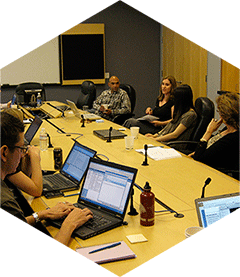
Qualitative Research
Ethnography, user interviews,
diary studies
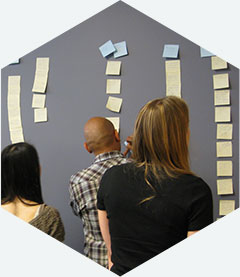
Market Insights
Survey design, audience
segmentation, data mining
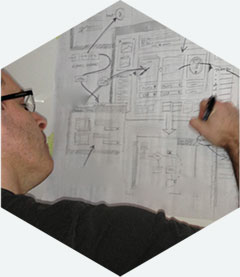
Product Analytics
Usage tracking, modeling,
business intelligence
What our clients say
Christine Perfetti coached our team of product managers, data analysts, engineers, marketers, and designers to establish a research competency across GoFundMe. Perfetti Media's research insights were instrumental in driving our product strategy and roadmap planning.
A customer-centric approach to product planning is now core to our business and product strategy. We are now assembling an internal research team to help guide our decisions going forward!
A customer-centric approach to product planning is now core to our business and product strategy. We are now assembling an internal research team to help guide our decisions going forward!
Daniel Cox testimonial
daniel cox, VP and Head of product, GofundMe
Christine Perfetti is fantastic. She immediately gained our trust and respect through her approach to research and product visioning.
Christine brought with her real expertise in research methods, design thinking and lean experimentation processes. This rigor brought much-needed structure and delivered measurable results to Harvard Business Review.
Christine brought with her real expertise in research methods, design thinking and lean experimentation processes. This rigor brought much-needed structure and delivered measurable results to Harvard Business Review.
Eric Hellweg testimonial
Eric hellweg, managing director,
harvard business review
Hi, I'm Christine Perfetti
I am on a mission to help teams grow, thrive, and cultivate their strengths and talents to achieve extraordinary outcomes.
At the core of my work is the knowledge that organizations succeed when their teams are given the right insights and encouraged to contribute their diverse and unique genius to solve complex problems.
I coach and guide teams to discover breakthrough insights, shape a product vision, and achieve wins through Strategic Rallying, a human-centered lens for product development that puts people – the users, customers and internal teams – at the forefront of the process.